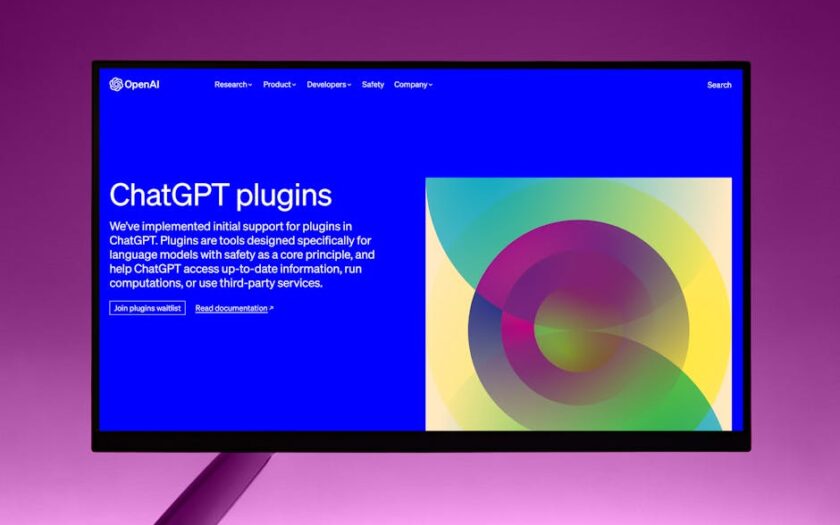
OpenAI has officially unveiled GPT-5, its most advanced language model to date, representing a substantial leap toward artificial general intelligence . CEO Sam Altman described GPT-5 as a “major upgrade,” highlighting its exceptional performance across various benchmarks, particularly in mathematics, science, and coding. A standout feature of GPT-5 is its proficiency in “vibe coding,” enabling users to generate software through natural language prompts, signaling a shift toward on-demand software creation.
The release of GPT-5 comes over two years after its predecessor, GPT-4, and coincides with OpenAI’s rapid growth, now boasting 700 million weekly active users and an anticipated valuation of $500 billion. The company currently generates $12 billion in annual recurring revenue, with forecasts reaching $20 billion by the end of 2025. GPT-5 surpasses its predecessors in accuracy and reliability, though it is classified as a “high” risk for biological misuse, prompting OpenAI to implement precautionary measures despite no confirmed evidence of harmful applications.
To maintain a competitive edge against rivals like Anthropic and China’s DeepSeek, OpenAI has also introduced its first open AI model since the launch of ChatGPT. The company offers individual subscriptions ranging from $20 to $200 per month and now serves 5 million paying business users.
GPT-5 is available in four variants: standard, Mini, Nano and Chat. The model integrates enhanced reasoning capabilities, an expanded context window of up to one million tokens, persistent memory, and multimodal functionalities. These advancements aim to provide more accurate and context-aware responses across various applications.
The integration of GPT-5 into platforms like ChatGPT includes features such as customizable conversational personalities, connectors with Gmail and Google Calendar, voice improvements, and aesthetic options for chats. Additionally, GPT-5 is incorporated into Copilot through the “Smart” mode, which automatically adjusts responses based on the task at hand. For developers, GPT-5 excels in benchmarks like SWE-Bench and facilitates cleaner code generation, advanced debugging, and detailed reasoning. Its competitive pricing, starting at €1.25 per million input tokens, reinforces OpenAI’s vision of creating more useful and autonomous general artificial intelligence.
OpenAI continues to assess the risks associated with GPT-5, labeling it “high” on its biological threat risk scale and implementing additional safety measures. Despite initial delays, GPT-5 represents a significant advancement in AI development, addressing both functionality and safety concerns.
The launch of GPT-5 is widely viewed as a benchmark for evaluating the pace of AI advancements amid growing commercial investment and public discourse about AI’s potential and risks. OpenAI’s focus remains on progressing toward artificial general intelligence, with the company seeking major funding to cover the immense costs of data centers and high-performance chips required for AI development.
As organizations like BNY Mellon, California State University, Figma, Intercom, Lowe’s, Morgan Stanley, SoftBank, and T-Mobile have already armed their workforces with AI, GPT-5 is expected to drive industry leadership in AI applications, leading to better decision-making, improved collaboration, and faster outcomes on high-stakes work for organizations.
In summary, the release of GPT-5 marks a pivotal moment in AI development, offering enhanced capabilities and setting new standards for artificial intelligence applications across various sectors.
77 People Are Viewing This News Right Now