The year 2026 is poised to be a landmark year for gaming hardware, with advancements across the board promising unprecedented levels of performance, intelligence, and immersion. From next-generation CPUs and GPUs to revolutionary display technologies and AI-driven features, gamers can expect a significant leap forward in their gaming experiences. This upcoming wave of hardware innovation is set to redefine what's possible in PC gaming, mobile gaming, and even console gaming.
Leading the charge are the anticipated releases of new processor architectures. AMD's Zen 6 and Intel's Nova Lake CPUs are expected to bring substantial improvements in multi-threaded performance and power efficiency, potentially utilizing cutting-edge 3nm and 2nm manufacturing processes. These processors are also rumored to include advanced AI accelerators, further integrating artificial intelligence into the core of gaming performance. This focus on AI is a recurring theme, with NVIDIA's DLSS 4.5 technology promising a staggering 6x frame generation, enhancing visual fluidity and targeting high-resolution, high-refresh-rate gaming.
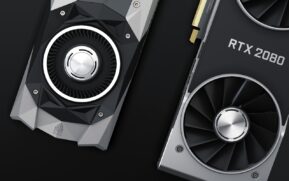
The graphics card landscape is also set for a shake-up with NVIDIA's rumored Rubin GPU architecture and AMD's UDNA/RDNA 5 GPUs on the horizon. These new GPUs are expected to leverage advancements in memory technology, such as GDDR7 and DDR6 RAM, to deliver higher frame rates and improved graphical fidelity. While specific details are still emerging, the trend points towards more powerful and efficient graphics solutions designed to handle the increasing demands of modern and future titles.
Beyond the core components, 2026 will see a broader integration of advanced display technologies and AI into various gaming devices. OLED panels are becoming increasingly prevalent not only in monitors but also in gaming laptops, offering vibrant colors and deep blacks for a more immersive visual experience. AI is also set to play a crucial role in gaming laptops and APUs, enhancing performance and optimizing power consumption.
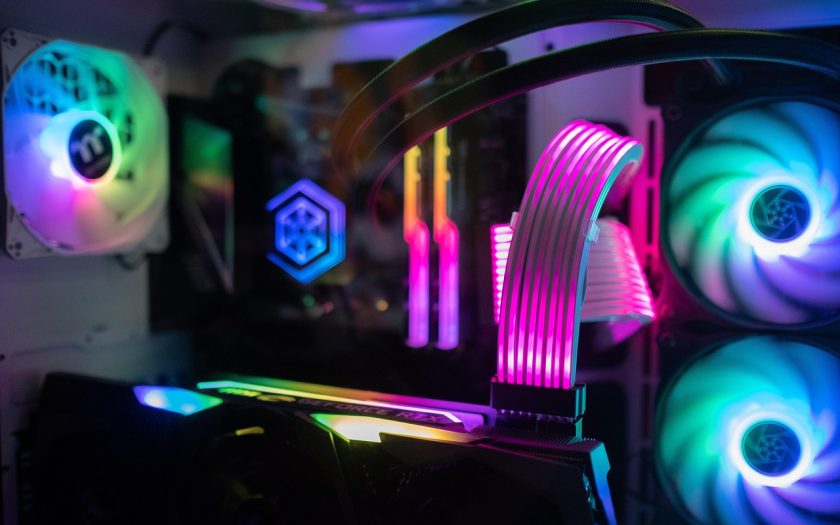
Furthermore, the infrastructure supporting these powerful components is evolving. PCIe 5.0 motherboards are expected to become standard, providing increased bandwidth for faster communication between the CPU, GPU, and storage devices. Innovations in cooling solutions and PC case designs will also be crucial for managing the heat generated by these high-performance components, ensuring stability and longevity.
The gaming industry's trajectory in 2026 indicates a strong emphasis on speed, intelligence, and immersive gameplay. From enhanced processing power and graphics capabilities to the widespread adoption of AI and advanced display technologies, the hardware released this year will cater to both casual players and professional gamers seeking the ultimate gaming experience. The continuous growth of cloud gaming and the potential for more integrated VR/AR experiences also suggest a dynamic and evolving future for gaming hardware.
77 People Are Viewing This News Right Now