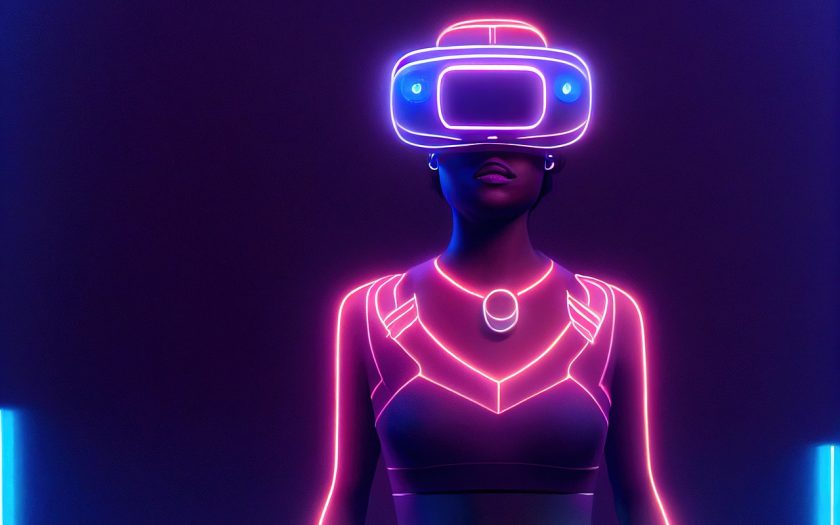
The virtual reality gaming landscape is on the cusp of a significant evolution, with advancements in artificial intelligence (AI) and a surge of new hardware poised to redefine immersive experiences. The global VR gaming market is projected to experience substantial growth, with projections indicating a market size that could reach upwards of $109 billion by 2030, growing at a compound annual growth rate of over 21.6%. This expansion is being driven by a confluence of factors, including increasingly accessible and sophisticated hardware, a growing user base, and the transformative potential of AI in creating more dynamic and engaging gameplay.
One of the most impactful trends shaping the future of VR gaming is the integration of artificial intelligence. AI is revolutionizing game development by enabling more intelligent non-player characters (NPCs) with advanced behaviors and decision-making capabilities, creating dynamic and responsive game environments, and personalizing player experiences. AI algorithms can now generate game content on the fly, adapt challenges to individual player skill levels, and even facilitate more natural and engaging interactions through advanced natural language processing. This means players can expect to encounter worlds that feel more alive and characters that react in more sophisticated and believable ways.
The hardware front is also seeing rapid innovation, with a host of new VR headsets expected to hit the market in 2025 and beyond. Companies like Samsung, Google, Valve, Apple, HTC, and Pimax are all rumored or confirmed to be releasing new devices. These upcoming headsets promise higher resolutions, improved tracking, enhanced comfort, and potentially wireless capabilities, addressing key limitations of current technology. The anticipation for devices like Valve's 'Deckard' headset, rumored to offer a premium gaming experience, and the more accessible options from Samsung and Google, signals a competitive market eager to cater to both hardcore gamers and a broader audience.
Esports is another domain where VR is making significant inroads. The unique immersive qualities of VR are seen as the next frontier for competitive gaming, with the potential for new leagues, tournaments, and innovative spectator experiences. While specific VR esports titles continue to evolve, games like Beat Saber, Population: One, and Breachers are cultivating dedicated communities and organized events. The future may see even more dynamic esports, with interactive elements that allow audiences to influence gameplay in real-time, blurring the lines between spectator and participant.
Despite the optimistic outlook, the VR gaming industry is not without its challenges. Concerns about data privacy remain a significant consideration, as VR technology collects substantial user data. Furthermore, the financial stability of some studios and the need for sustainable development models are ongoing discussions within the industry. Meta's recent decision to shift its focus away from the VR version of Horizon Worlds also indicates a strategic recalibration within the industry, though the company continues to invest in other VR hardware and software. However, the overall trajectory points towards continued growth and innovation, with VR gaming solidifying its place as a major force in the future of interactive entertainment.
77 People Are Viewing This News Right Now