Nvidia, the preeminent force in AI technology and semiconductor manufacturing, is currently navigating a period of significant transition following the unexpected resignation of its CEO, Jensen Huang. [6,,] This leadership change, triggered by revelations of extramarital affairs, has cast a shadow over the company, prompting calls for an external search for a new chief executive to ensure a "dramatic shakeup." Despite this internal upheaval, Nvidia continues to push the boundaries of AI innovation, recently showcasing groundbreaking advancements at CES 2025.
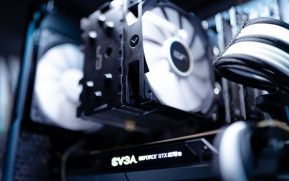
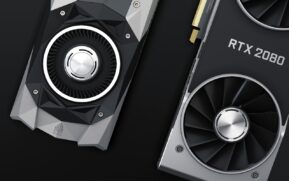
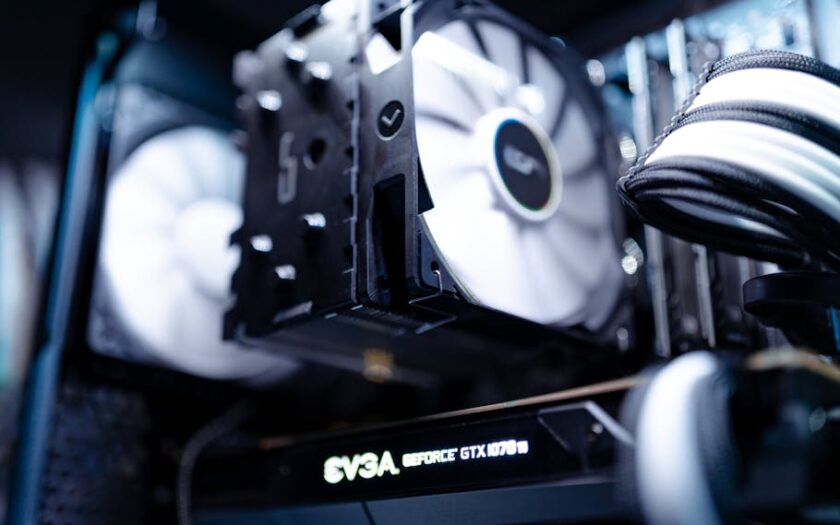
The company's latest innovations include the unveiling of its new GeForce RTX 50 Series GPUs, based on the Blackwell architecture. These graphics cards are engineered to significantly enhance AI capabilities for gaming and visual quality, with the RTX 5090 boasting an impressive 92 billion transistors and the capacity for 3,352 trillion AI operations per second. Nvidia is also pioneering "physical AI," a more advanced form of artificial intelligence that can perceive, reason, plan, and act autonomously, potentially revolutionizing robotics and autonomous vehicles with its Cosmos platform.
In parallel with these technological leaps, Nvidia's stock has experienced notable volatility. As of mid-November 2026, the stock has seen declines over the past week and month, though it remains a significant player in the market with a substantial market capitalization. Analysts maintain a generally "Bullish" outlook, with a consensus price target suggesting potential future growth. However, recent market pressures, including a broader semiconductor sector downturn and concerns over AI financing, have impacted its performance.
Nvidia's strategic focus extends to making advanced AI widely accessible, exemplified by the introduction of Project Digits, a compact AI supercomputer. The company is also deepening its commitment to open-source initiatives, such as the donation of OpenShell, aiming to support the growing demands on AI infrastructure. These efforts underscore Nvidia's dedication to fostering an ecosystem that empowers developers and researchers, with a particular emphasis on agentic AI—systems capable of autonomous action and collaboration with humans.
Looking ahead, Nvidia's interim CEO, Colette Kress, and the board face the dual challenge of stabilizing the company post-leadership transition while continuing to drive innovation and maintain its dominant market position. The company's ability to rebuild trust, manage market fluctuations, and sustain its technological leadership will be critical as it embarks on this new chapter. The ongoing developments, from cutting-edge AI hardware to strategic leadership decisions, ensure that Nvidia remains a central figure in the ever-evolving landscape of technology.
77 People Are Viewing This News Right Now